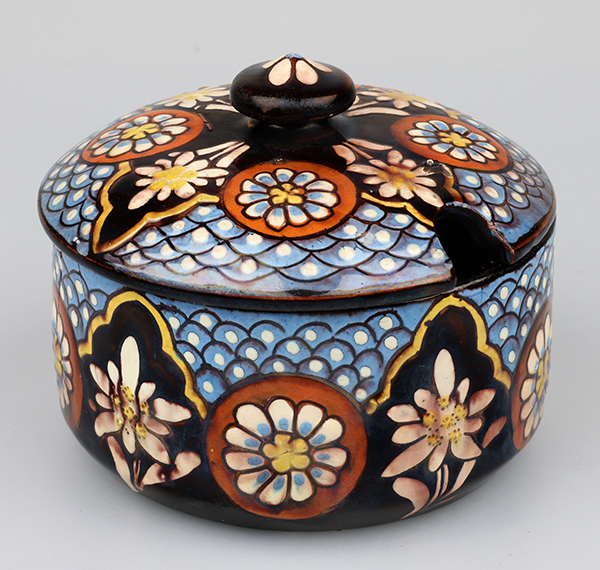
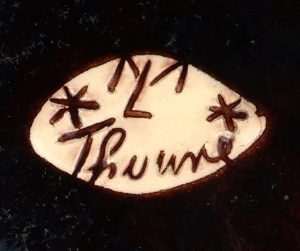
Pottery made by Max Leopold in CERAMICA CH
Andreas Heege, 2026 (with support from Georg Frank)
Emil Leopold-Born, a mechanic and sewing machine salesman from Freistadt District in Austrian Silesia, was registered on Kreuzgasse/Obere Hauptgasse in Thun from 1876 (Geschäftsblatt für den obern Teil des Kantons Bern 8th April 1876; Geschäftsblatt für den obern Teil des Kantons Bern 17th March 1877; Thuner Wochenblatt 16th June 1877), though he may have opened his business there as early as 1873 (see below, Max Leopold’s letterhead of 1929). In 1879, he opened another shop, known as “Thuner Bazar” in a house newly constructed by Messrs. Studer and Lohner at “auf dem Plätzli” (Geschäftsblatt für den obern Teil des Kantons Bern, Vol. 26, No. 100, 13th December 1879). Leopold himself started calling it “Grand Bazar de Thoune” in 1880 (Täglicher Anzeiger für Thun und das Berner Oberland, Vol. 4, No. 124, 27th May 1880) but did not register it in the Swiss Official Gazette of Commerce until October 1887 (SOGC No. 99, 26th October 1887).
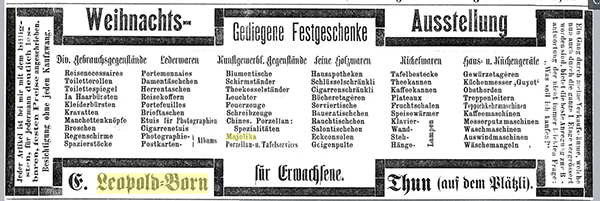
Emil Leopold-Born also sold porcelain and majolica.
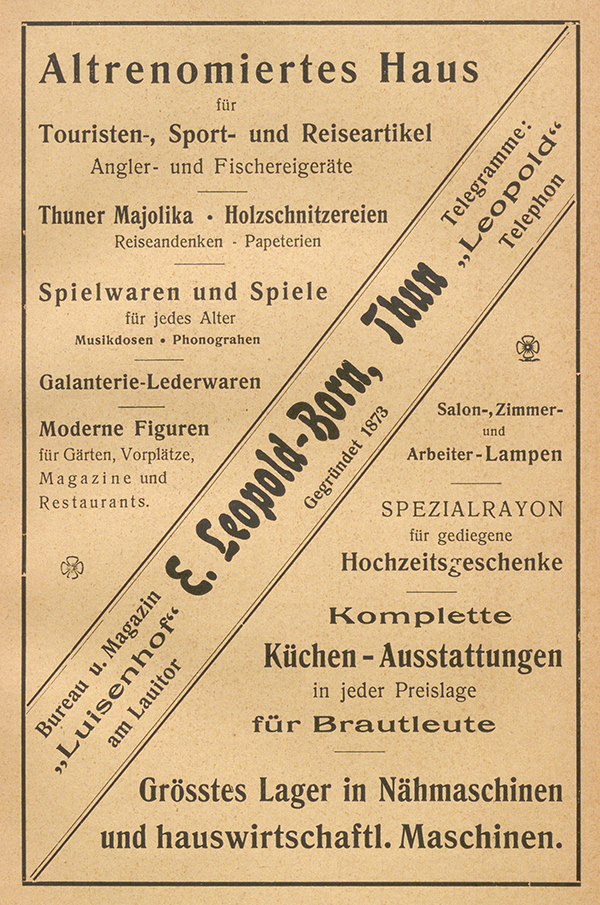
From 1907, the “Grand Bazar de Thoune” was located in the newly erected “Luisenhof” near the Lauitor gate.

1911 On 30th September, the following entry was made in the Swiss commercial register: “The owner of the company ‘Musée céramique de Thoune, E. Leopold-Born’ in Thun is Emil Leopold-Born, from and in Thun, art pottery at Lauitor gate” (SOGC 29, No. 245, p. 1650, 30th September 1911). There is no evidence to suggest that Emil Leopold-Born continued to run the Musée céramique, which had gone bankrupt under Gottfried Beutter in 1907, other than in name only. It has not been possible so far to prove that production continued.
1
1914 On 1st January, Emil Leopold-Born’s companies, the Grand Bazar de Thoune and the Musée céramique de Thoune, were merged into one company, “Leopold-Born-Söhne”, run by Emil’s sons, Fritz and Max Leopold (17th February 1878 – 8th June 1965) (SOGC 32, No. 33, p. 222).
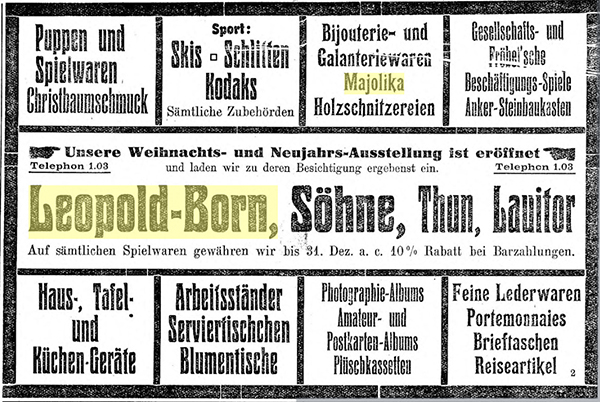
1914 An advertisement published at Christmas shows the extensive range of goods traded by Leopold-Born and sons, which included majolica (Geschäftsblatt für den obern Teil des Kantons Bern, Vol. 61, No. 99, 10th December 1914).
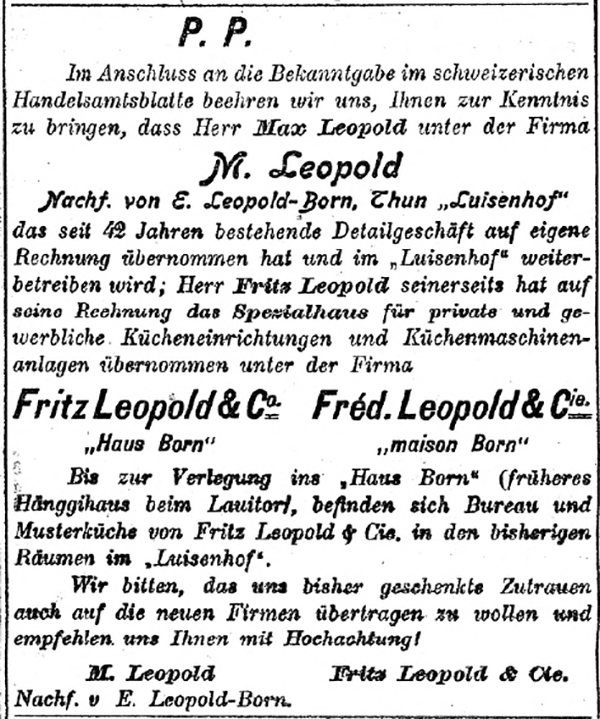
1916 At the beginning of the year, the brothers decided to go their separate ways (SOGC 34, 1916, p. 91). Max Leopold ran the Luisenhof business retaining the names “Grand Bazar” and “Musée céramique” and calling himself “M. Leopold, successor to E. Leopold-Born” (Oberländer Tagblatt, Vol. 40, No. 18, 22nd January 1916).
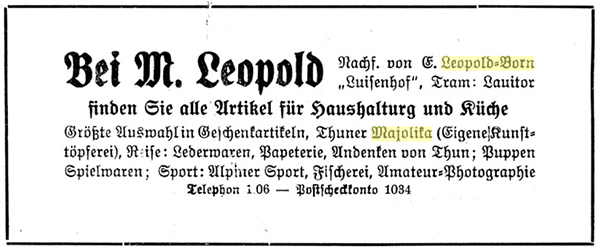
1917 On 30th April, Max Leopold added the label “art pottery” to the description of his business. It is possible that he began to produce his own pottery at that stage. This would explain a Christmas advertisement offering majolica from the in-house art pottery (Oberländer Tagblatt, Vol. 41, No. 295, 15th December 1917).
1918 Max Leopold hired pottery paintresses working from home and sought a “respectable, intelligent young man” to serve as an apprentice (Geschäftsblatt für den obern Teil des Kantons Bern 65, No. 75, 26th February 1918). It is not known who was the technical manager of his pottery workshop at the time.
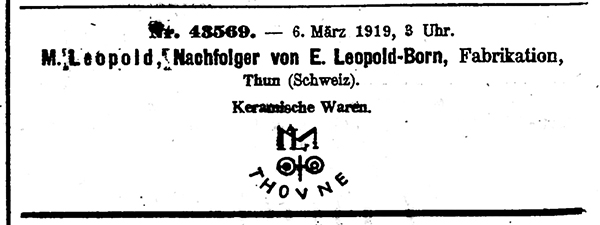
On 6th March 1919, Max Leopold registered his own mark in the Swiss Official Gazette of Commerce (SOGC 37, 1919, p. 436).
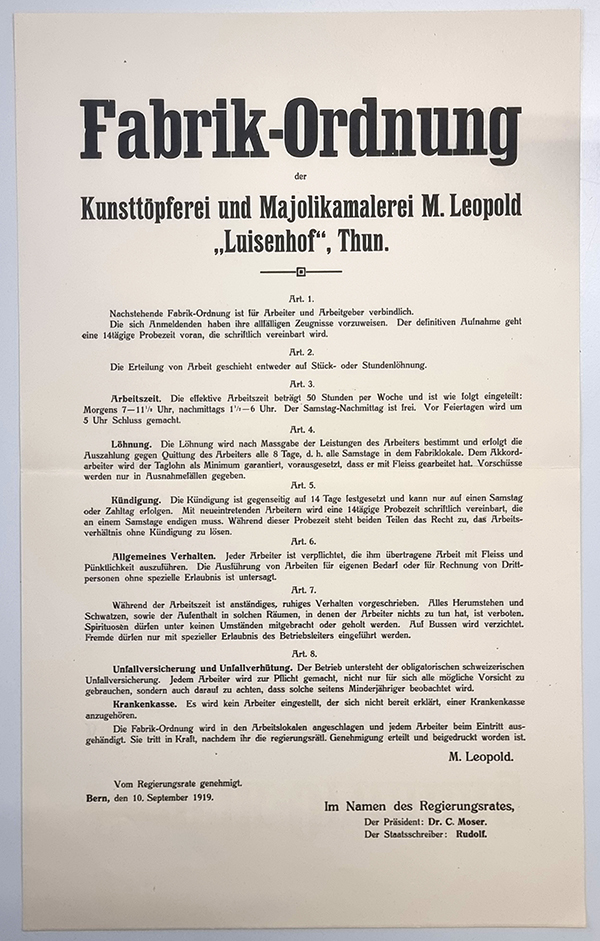
1919 From 28th August, the “Art pottery and majolica painting studio M. Leopold ‘Luisenhof’ Thun” was brought under the provisions of factory law and was now subject to a code of operations (StAB, Bez. Thun B 120; StAB Bez. Thun B1897; see also Oberländer Tagblatt 43, No. 176, 1st August 1919). At that time, Max Leopold had nine members of staff (four men and five women).
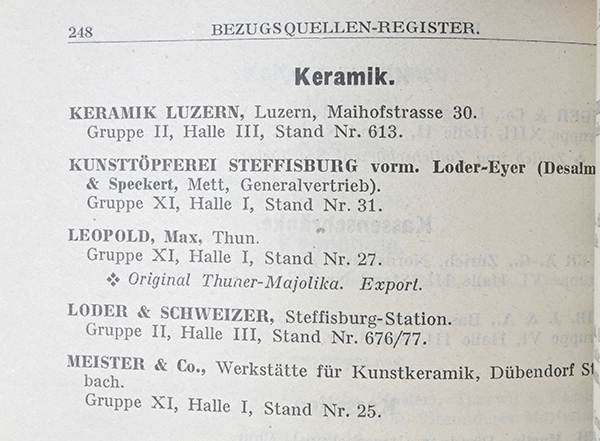
Official 1921 MUBA catalogue; p. 248, listing for Max Leopold “Original Thun majolica”.
1920/1921 Max Leopold had a booth at the Mustermesse Fair in Basel (MUBA) (official 1921 MUBA catalogue, p. 248).
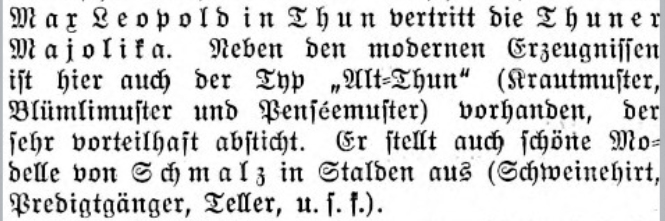
The Oberländer Tagblatt newspaper (45, No. 93, 22nd April 1921) reported on the fair. This was the first mention of the term “Typ Alt Thun” [Old Thun type] for the Chrutmuster herbal pattern. At the same time, Max Leopold also sold figures made by Cäsar Adolf Schmalz from Heimberg at his stall.
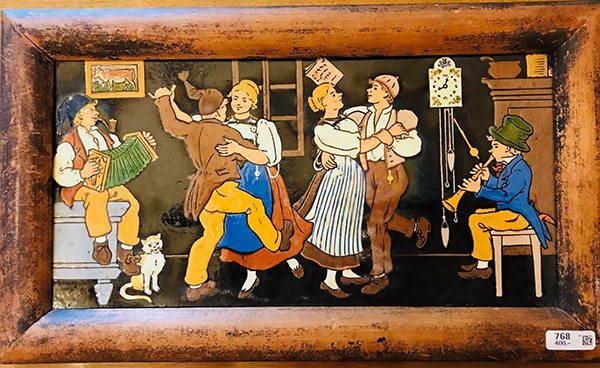
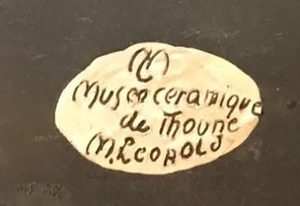
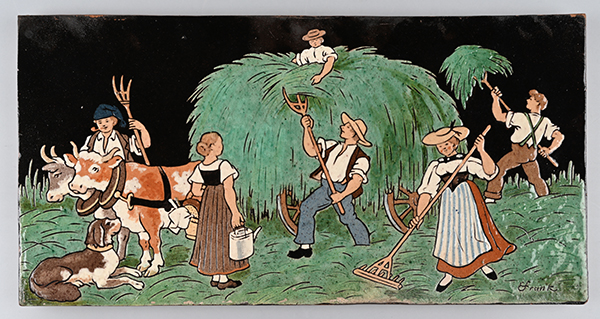
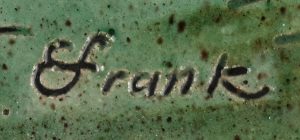
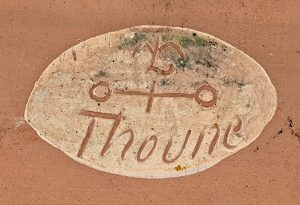
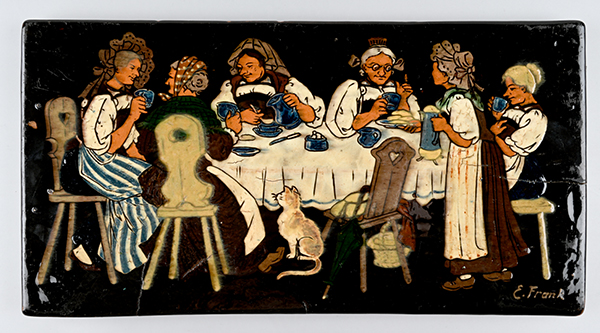
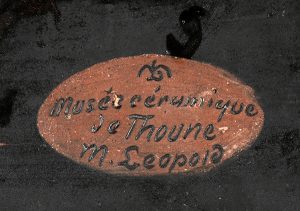

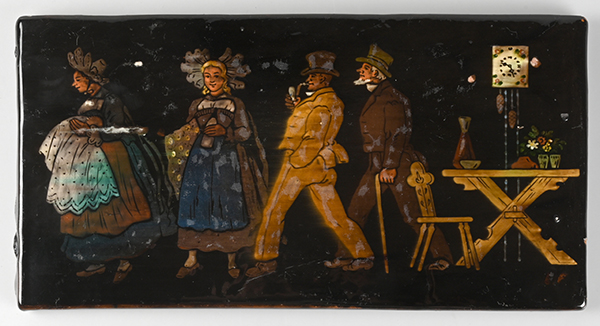
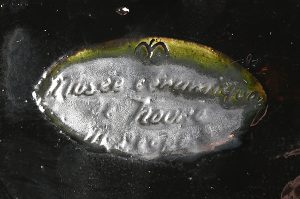
Prior to 1920, Friedrich Ernst Frank (1862-1920), the main pottery painter for the Wanzenried Manufactory, also worked for Max Leopold, mainly painting wall tiles with rural scenes. It is not clear if he also worked simultaneously for Loder & Schweizer in the former Wanzenried Manufactory.
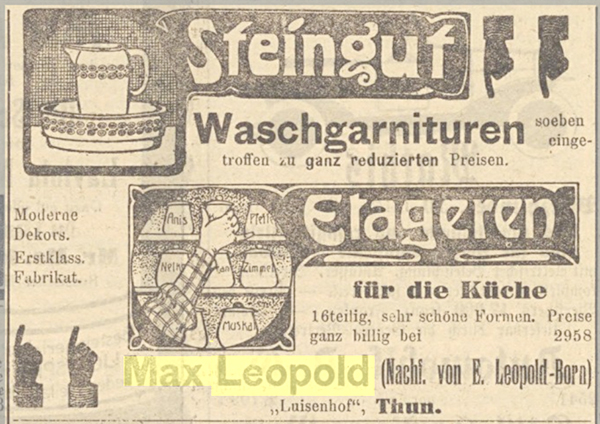
1921 Leopold not only sold his own products but also imported refined white earthenware wash basins and jugs and kitchen storage jars (Geschäftsblatt für den obern Teil des Kantons Bern, Vol. 68, No. 66, 3rd June 1921).
1922 On 18th December, the company was removed from the register of businesses that were subject to factory law, which probably means that its pottery production had ceased (StAB Bez. Thun B1897, B1899).
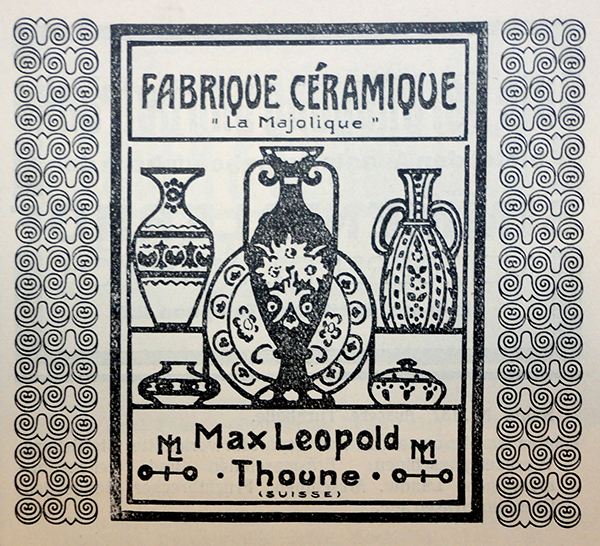
1922 The company ran its last advertisements.
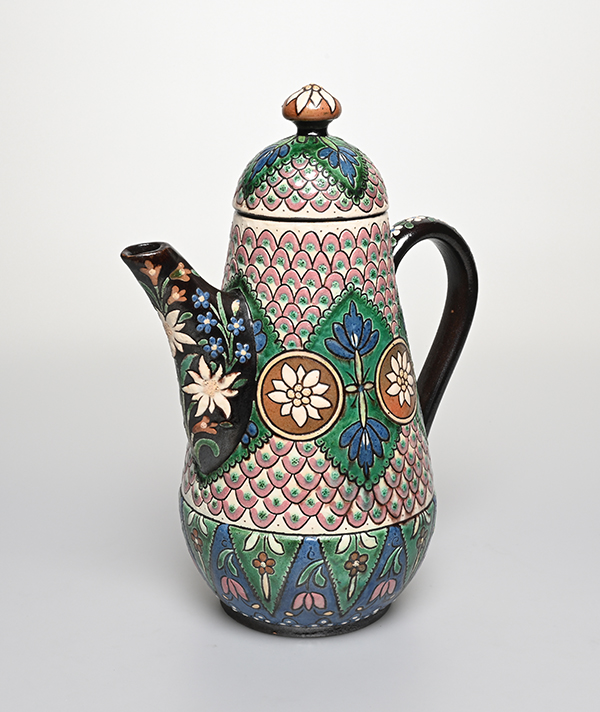
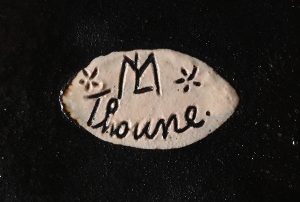
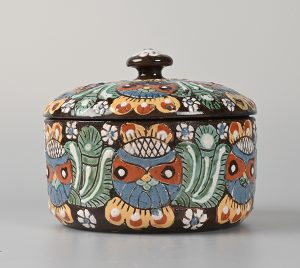
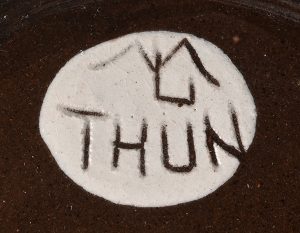
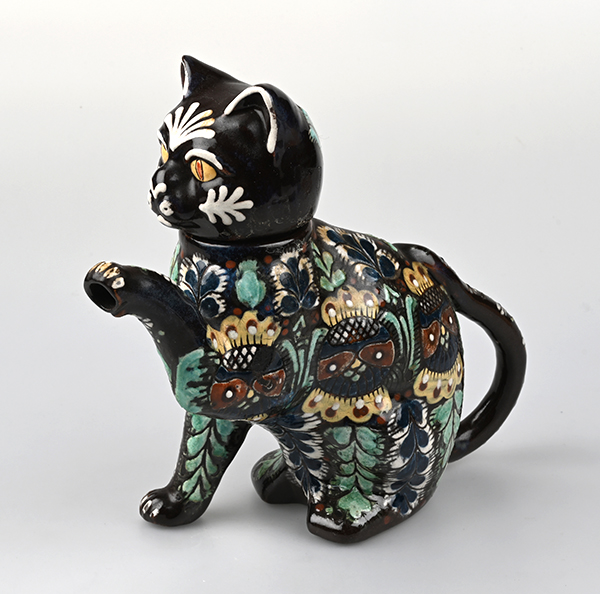
The range of products included pieces with distinct Thun Majolica-style Edelweiss decorations as well as objects with standard Chrutmuster patterns.
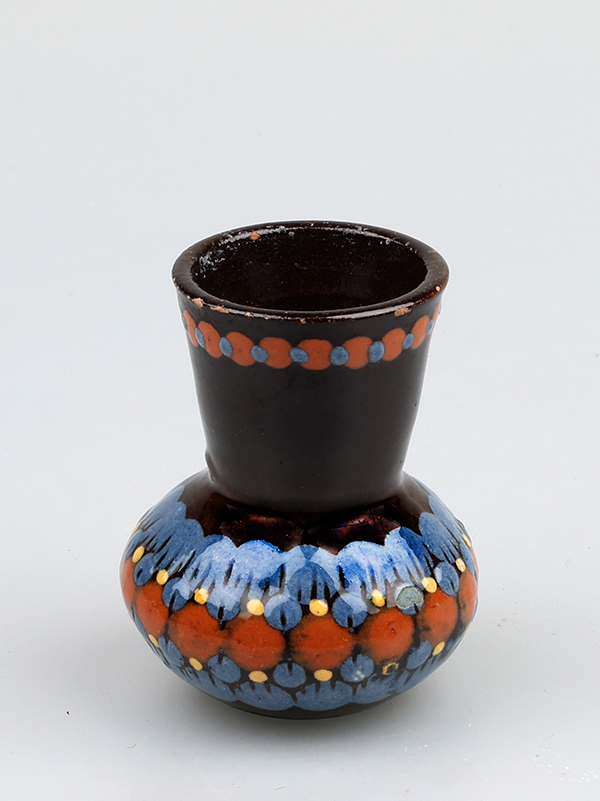
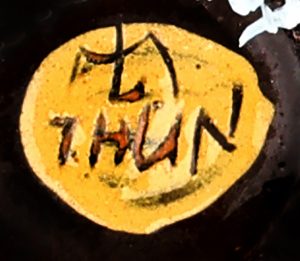
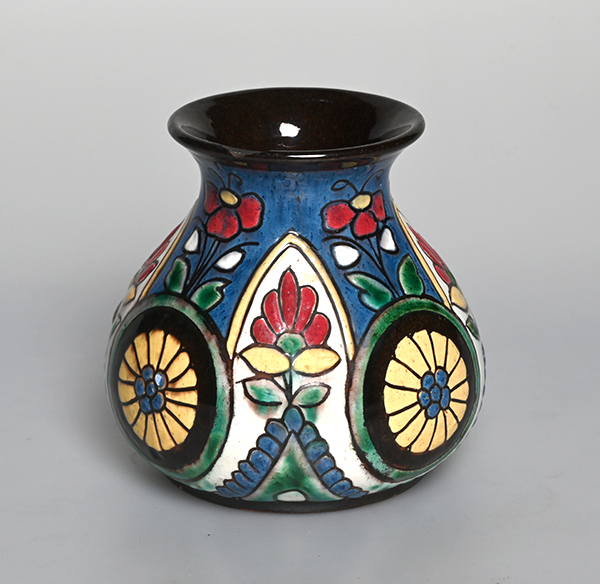
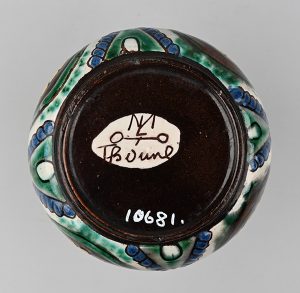
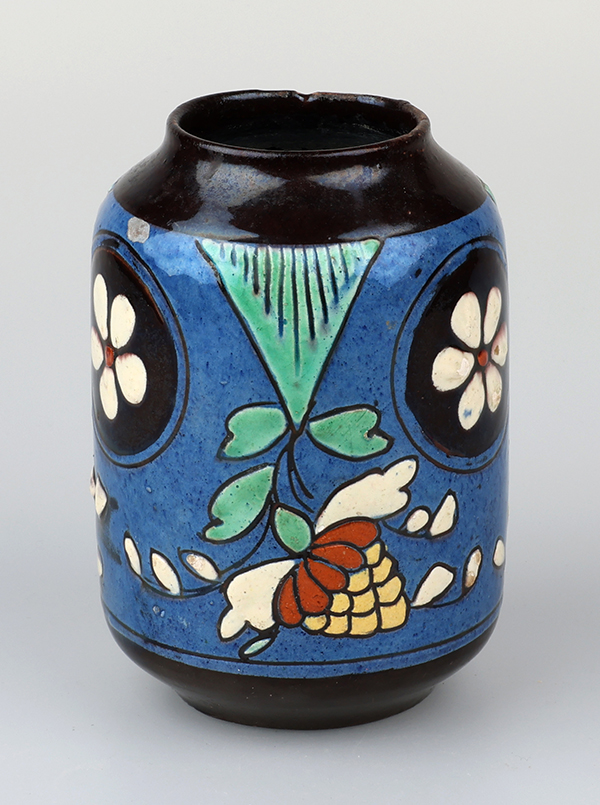
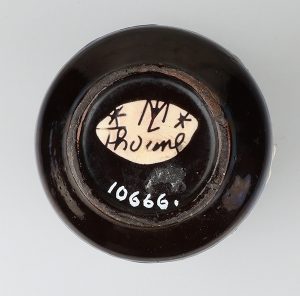
Other shapes and decorations were more modern and are reminiscent of pieces made by Desa in Steffisburg or by Loder & Schweizer.
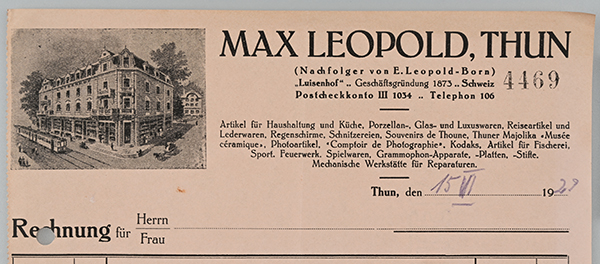
1929 According to the letterhead, the products were still sold as “Thun Majolica Musée céramique“.
1962 The company “M. Leopold, successor to E. Leopold-Born” ceased trading and was removed from the Swiss commercial register (SOGC 80, No. 105, p. 1338, 27th April 1962).
1965 Max Leopold died on 8th June at the age of 88 (obituary in the Geschäftsblatt für den obern Teil des Kantons Bern, 25th June 1965).
Translation Sandy Haemmerle

